
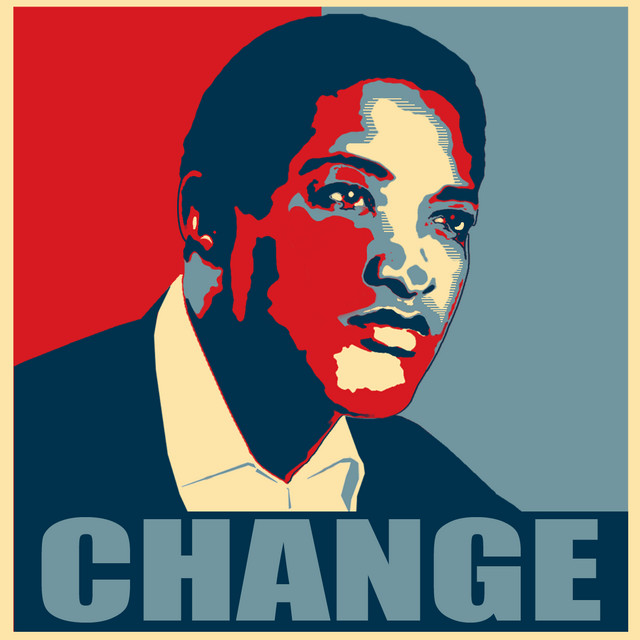
“A Change is Gonna Come”
It is the summer of 1963. Several unyielding years of protests have passed- yet racial segregation continues. A norm seemingly chiseled into the granite of American society alongside the founding fathers.
On August 28th, Dr. Martin Luther King Jr. delivers his illustrious speech – a behest to reinstate the rights of African American people promised to them 100 years prior. A wave has now been created in the civil rights movement, one that creates a final, ubiquitous caterwaul through the ears of all Americans alike. The following summer, the Civil Rights Act was enacted. For the first time in centuries, the future propagates hope.
That very hope is encapsulated in Sam Cooke’s “A Change is Gonna Come”. Released in December of 1964, it remains a timeless anthem of sanguine change decades after its conception, covered by a plethora of music legends such as the likes of Al Green and Beyoncé.
Below is Al Green’s rendition, it is one of the most exciting and passionate performances I have seen yet:
https://youtu.be/pru6jTfitkU?si=kChR4lbFYtVMzsE3
Moreover, the United States’ 44th president, Barack Obama, referenced the song’s lyrics in his 2008 victory speech, stating:
“It’s been a long time coming, but tonight, because of what we did on this date in this election at this defining moment, change has come to America”
It was a truly potent gesture to the civil rights movement and a significant reminder of the everlasting effect this song had and continues to have on the African American community.
The song was composed after Cooke had experienced racial discrimination at a motel, after being turned away despite making reservations. Cooke had heard Bob Dylan’s “Blowin’ in the wind” and was deeply moved that a song preaching for civil rights was created by a white artist. He was hence prompted to create the psalm of hope we know today, inciting that a change is “gonna” come.
Each verse in the song details the injustice Cooke has faced over the course of his life, followed by the chorus:
“It’s been a long/A long time comin’ but I know/ A change gon’ come, Oh yes it will”
Therefore, the chorus is almost reminiscent of a prayer hymn, allowing an enduring belief of hope for the future to reverberate within us listeners, a belief in social change despite the polarity of the injustice described within the other verses.
The song begins:
“I was born by the river/In a little tent/Oh, and just like the river, I’ve been runnin’/Ever since”
The song is introduced by a full orchestra consistent with brass, strings and rhythm sections, inaugurating the song with a melancholic, almost mournful rhythm – only exacerbating Cooke’s powerful lament. These first few lyrics detail Cooke’s experience as an African American man. Cooke migrated north to Chicago from Mississippi at the age of 2 in hopes for a better life, yet here, he expresses that the discrimination and suffrage he experiences (presumably due to racial segregation) has been a perpetual struggle – continuous despite his attempts to escape it.
Cooke’s commanding vocals create the effect of a marshal cry for change, one which leaves us listeners with a sense of frisson that continues as he details the injustice he has experienced in his life.
The orchestra enlivens during the verse:
“Then I go to my brother, And I say, “Brother, help me please”, But he winds up, Knockin’ me on my knees”
Through this verse, Cooke continues by expressing that the injustice he has experienced also stems within the African American community through the reference to his “brother”. Therefore, this verse calls out to African American listeners, acting as a reminder that injustice can be lateral and exist within segregated communities and not purely between them.
Cooke passed two months before the release of this song.
Therefore, he never witnessed its unofficial declaration as the anthem of the civil rights movement. Regardless, it continues to be a didactic and universal symbol of hope – a buoyant guarantee of change. One which allows us to take on a newfound, yet rare perspective. Optimism.