
“Who is willing to try to save the world that is destined to die?”
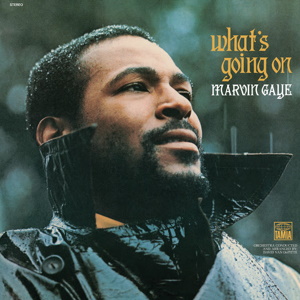
A simple question, an ageless sentiment, an album which rings true generations after its making – ‘What’s Going On’ by Marvin Gaye.
The Album’s Conception
Co-writer Renaldo ‘Obie’ Benson began writing the album’s title track in the late 1960s after witnessing the People’s Park protest, a protest held by anti-war activists that subsequently ended with police brutality and violence.
Initially Benson offered the song to his group before being turned down:
“My partners told me it was a protest song” he expressed “I said ‘no man, it’s a love song, about love and understanding. I’m not protesting, I want to know what’s going on.”
Soon after releasing the song with Gaye, it became the fastest selling Motown single, selling over two million copies. Gaye was given the ultimatum to complete an album by the end of March, and hence, ‘What’s going on’ was conceived.
Being Gaye’s 11th studio album, the 30 minute LP includes his signature Motown sound, housing a variety of instruments such as the bass guitar (famously played by James Jamerson whilst lying on the floor), and the prolific alto saxophone riff which begins the album.
I implore you to watch this 1972 performance of the first track on the album showcasing the instruments used to create the diverse sound background used throughout the album:
https://youtu.be/fPkM8F0sjSw?si=zgewgLAcDzSCVNh7
General Lyric Analysis
This album is written from the perspective of a Vietnam veteran coming home, only to be met with prejudice and suffering – a coherent theme when considering Gaye co-wrote it after his own veteran brother had returned home
The first track begins with a faint sound bite of chattering family – a reunion between soldier and family – immediately instilling a sense of community and love within us listeners despite the overhanging themes of social injustice, racism and poverty which shadows the album.
The lyric in the first track “but who are they to judge us simply ‘cause our hair is long?” conspicuously alludes to the anti-war hippie movement and is repeated in the album’s last track :
“Mother, mother, everybody thinks we’re wrong. Who are they to judge us, simply because we wear our hair long”
Not only does Gaye now create a cyclical album structure, thus alluding to his interpreted belief in which social injustices will only repeat themselves in a perpetual cycle, but the change in lyric “we wear our hair long” rather than “our hair is long” now implies a change in attitude. The speaker is now choosing to ‘wear’ his ‘hair long’ – implying a deliberate protest against social injustice and prejudice. Perhaps, through this alternate lyric, Gaye is calling for change – a protest against a racist societal frame – breaking the cycle.
To me, one of the most profound lyrics in the second track is “what else is new my friend, besides what I read”. This details a certain level of denial coming from those facing social injustice in the early 70s. Soldiers dying overseas, police brutality, ongoing protests, yet the speaker implores “what else is new?”, turning a blind eye to the overhanging prejudice that saturated American societies during the Vietnamese war. Furthermore, “I’m just getting back, but you knew I would” can be seen as Gaye speaking to the privileged Americans in their white-picket fences, so blind to the ongoing injustice that the veteran’s return is not a surprise to them, but rather expected. Thereby the word “knew” is used ironically.
This song ends with “what’s been shaking up and down the line? I wanna know ‘cause I’m slightly behind the time”. The use of the word “slightly” continues to convey the veteran’s almost innocent state of mind – not yet met with the prejudice within post-war American society, perhaps due to the patriotism bred during his years within the army and as he possibly has not yet been disillusioned to the current social state. This leaves us listeners with a patent ‘sick to our stomach’ feeling, the precognition of the disillusionment of the veteran burning a hole in our chests.
Again, I urge you to listen to the album for yourself. No amount of writing can mirror the album’s irreparable sound,