
Artificial Intelligence (AI) is often considered a life- altering technology for its users because of its generative ability to precisely adapt to your needs -a revolutionary field with the power to transform industries and enhance life- styles. Yet the question remains: at what cost does the public release of AI come?
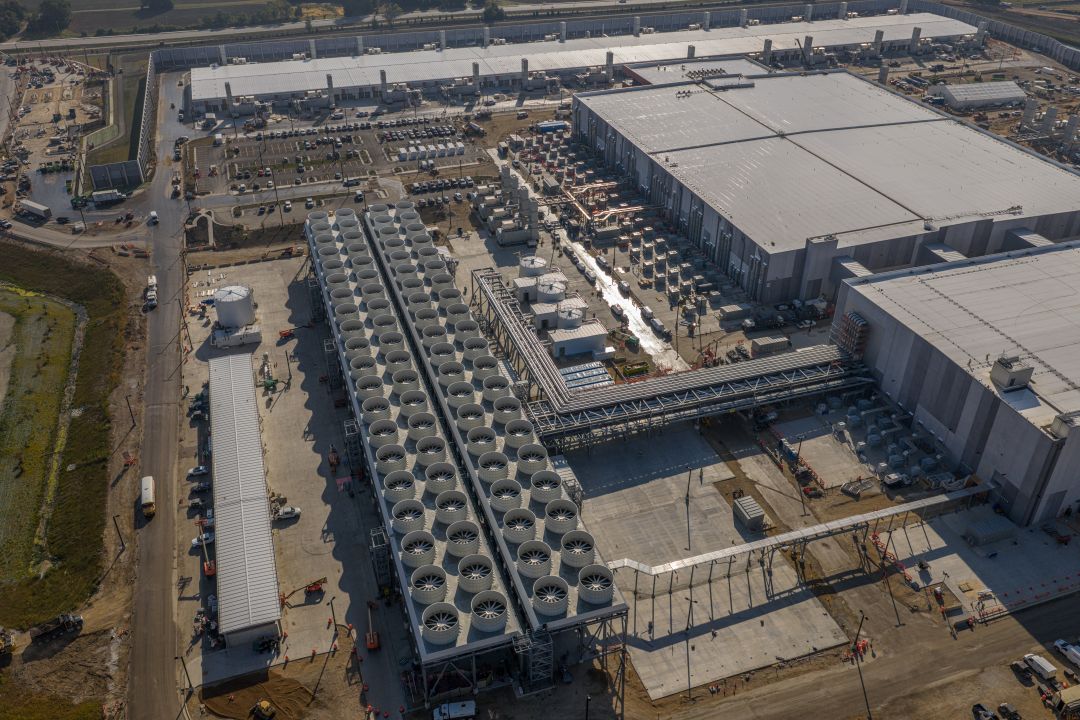
One single AI model needs about 300,000 gallons of water per day, it can even reach 5 million gallons occasionally. But why? Well when you ask your AI helper to write you an email, or improve a sentence it makes many complex calculations by using technical, powerful chips that are stored in massive data centers. A single AI center gets asked roughly 2.5 billion questions each day and it’s increasing, which means more chips, and more consumption. The AI training process uses these chips to train its models to carry out work, and the water evaporated at power plants generates electricity for these operations. After all of these long intensive processes, the hardware could overheat and become damaged. Therefore, data centers use water cooling systems because of how energy intensive AI is. Infact,The international energy agency has said that the electricity demand for AI/ data centers is expected to increase by 400% by 2030, that’s about the electricity consumption in the UK for a whole year. The water used for the cooling systems must be clean and purified to prevent corrosion and clogging in the system. This issue becomes more concerning when the ‘Water crisis’ is considered.
Water is already scarce in parts of the world, and because of how much water AI predominantly uses, the world has officially entered a ‘ Global Water Bankruptcy ‘- issued by the UN on January 20th 2026. The use of clean drinking water is mandatory for consumption and hygiene but 1 in 4 people globally are not provided with clean water. So why waste more by usage of AI?
Is there even a way to get past this problem? Fortunately, companies and countries are trying to look for more ways to make these data centers more sustainable, such as testing ways to make underwater data centers and even data centres in space. So maybe in a few years, your questions might be visiting space before you do!